Optimal Timing for Roof Vent Installations
Timing for roof vent installations significantly impacts their effectiveness and longevity. Optimal periods typically involve mild weather conditions, avoiding extreme heat, cold, or precipitation. Installing vents during stable weather ensures proper sealing and reduces potential complications.
Spring offers moderate temperatures and less precipitation, ideal for installing roof vents efficiently and effectively.
Fall provides cooler weather and stable conditions, reducing the risk of heat-related issues during installation.
Extreme heat can cause materials to expand and become difficult to work with, while winter cold can lead to material cracking and poor sealing.
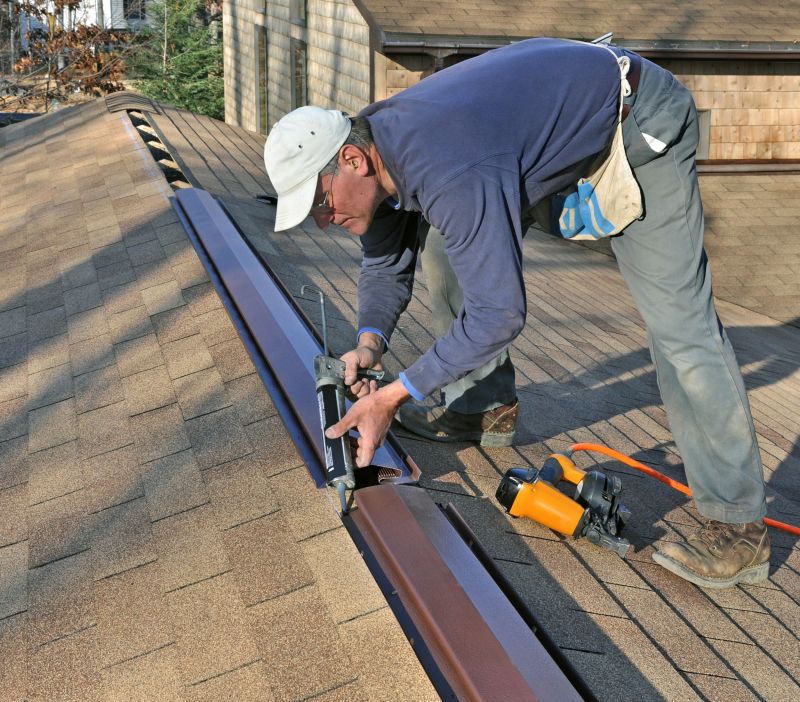
Technicians work in mild weather, ensuring optimal sealing and performance.
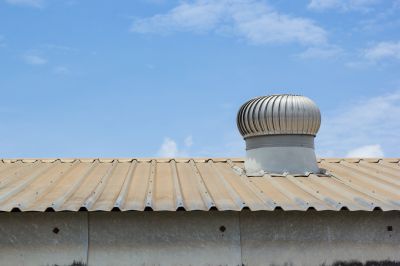
Cooler temperatures facilitate efficient installation and material handling.
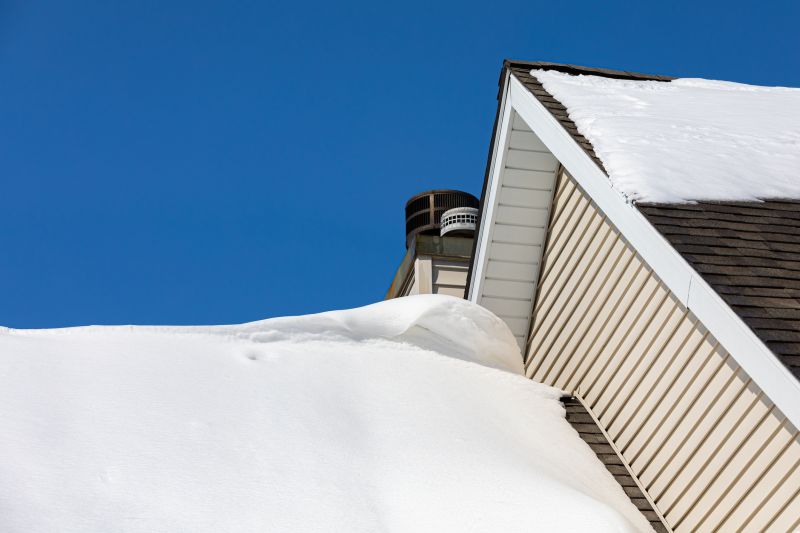
Stable weather prevents delays and ensures quality work.
Roof vent installations are essential for proper attic ventilation, which helps regulate temperature and moisture levels. Proper ventilation extends roof lifespan, reduces energy costs, and prevents mold growth. The best time to install vents aligns with periods of stable weather, typically spring and fall, to ensure optimal results and minimize installation issues.
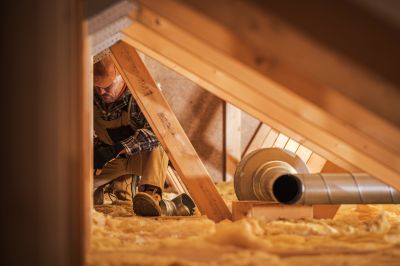
Proper attic ventilation improves airflow and energy efficiency.
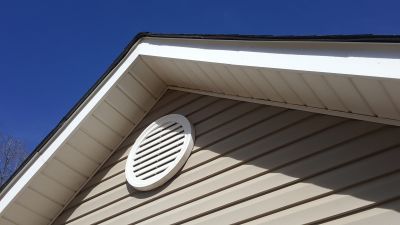
Vents include ridge, soffit, and gable types for comprehensive airflow.
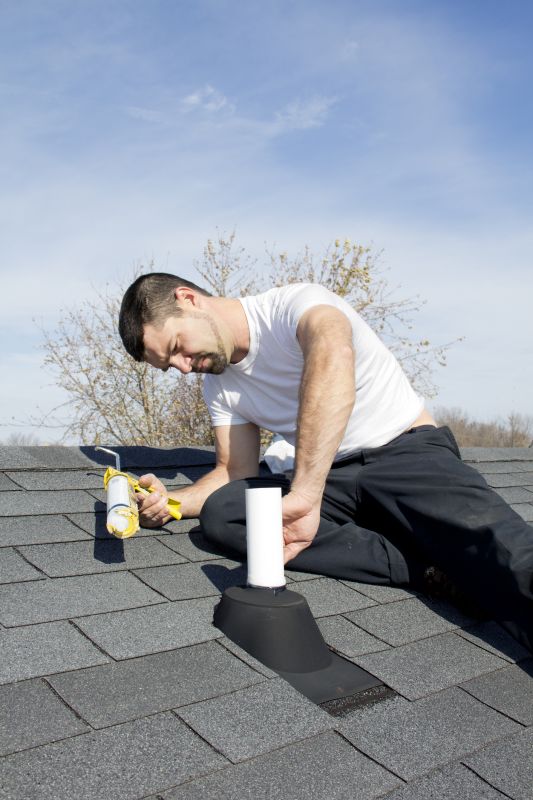
Specialized tools ensure precise and secure vent placement.
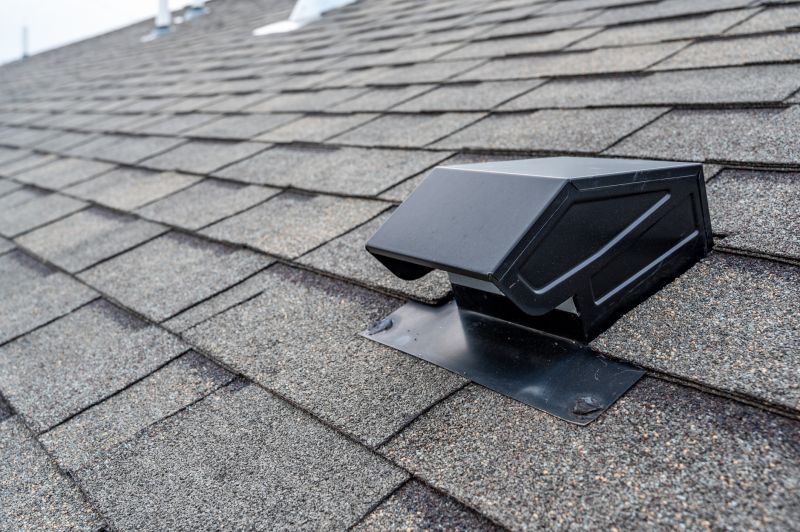
Properly installed vents contribute to a well-ventilated roof system.

Ways to make Roof Vent Installations work in tight or awkward layouts.
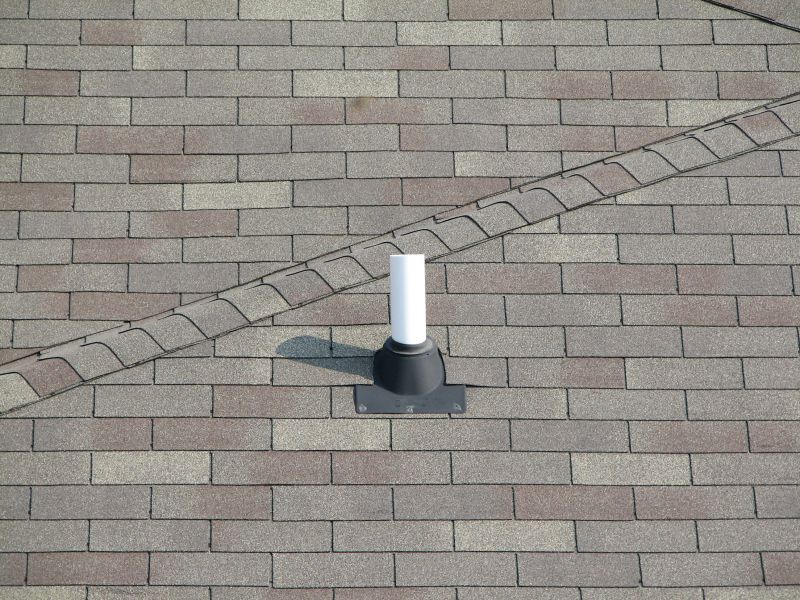
Popular materials for Roof Vent Installations and why they hold up over time.

Simple add-ons that improve Roof Vent Installations without blowing the budget.
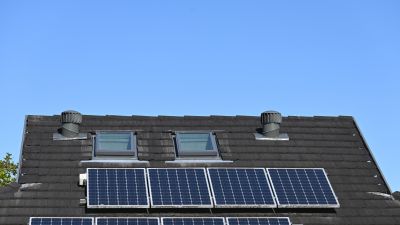
High-end options that actually feel worth it for Roof Vent Installations.
| Season | Advantages |
|---|---|
| Spring | Moderate weather, less rain, ideal for installation. |
| Fall | Cooler temperatures, stable conditions, reduces heat-related issues. |
| Summer | Not recommended due to high heat and potential expansion issues. |
| Winter | Challenging due to cold temperatures and snow, risks cracking and poor sealing. |
| Late Spring | Good for early installations before summer heat. |
| Early Fall | Optimal for late-season projects before cold weather sets in. |
Choosing the right time for roof vent installation can enhance durability and performance. Proper planning around weather conditions minimizes delays and ensures vents are installed correctly. Regular maintenance and inspections can further extend the lifespan of roof ventilation systems.
Interested in scheduling a roof vent installation? Filling out the contact form provides a convenient way to receive more information and plan for optimal installation timing.